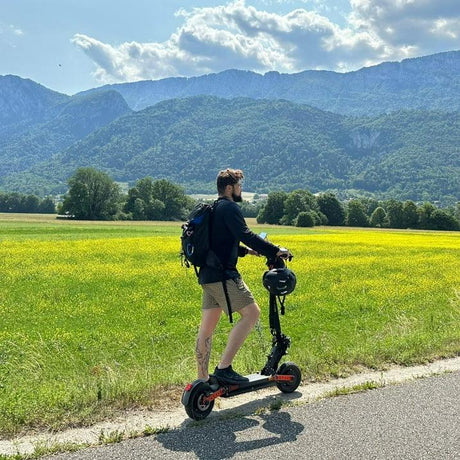
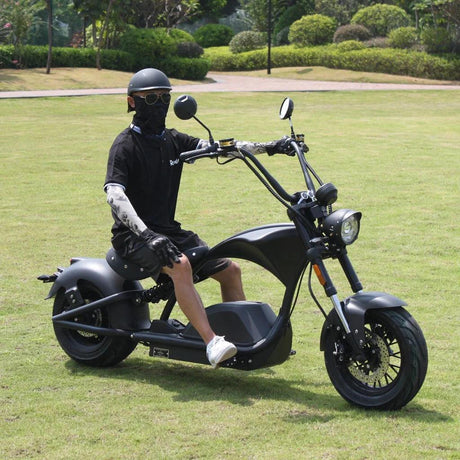
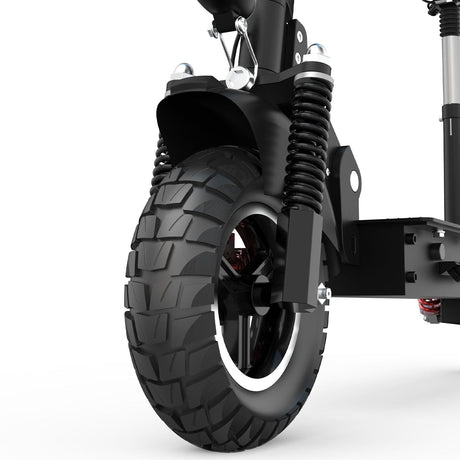
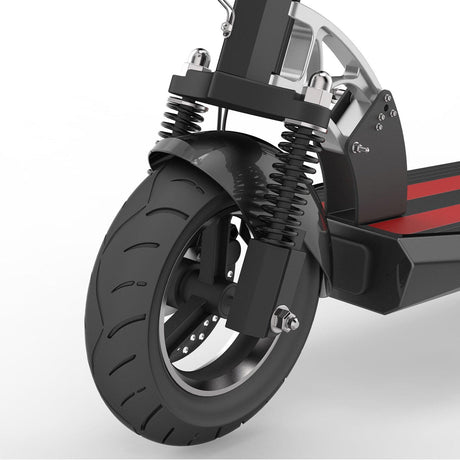
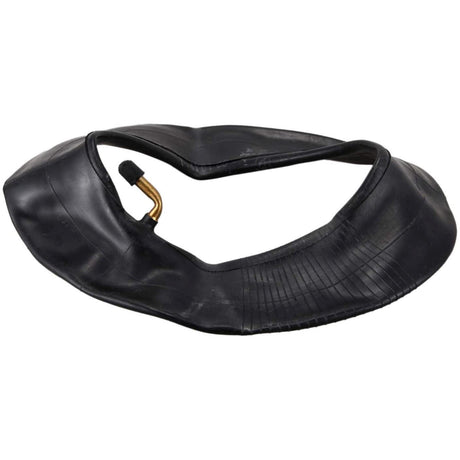
Riding a TODIMART electric scooter offers a delightful experience, thanks to its smooth acceleration. Models like the TODIMART E10 and TODIMART D5 boast top speeds of up to 45 km/h and ample power, making them ideal for daily commuting and short-distance travel.
With the arrival of summer, many owners have begun their seasonal rides. However, they often encounter a frustrating issue: the scooter performs normally at low speeds, but as soon as the throttle is twisted to accelerate, power is suddenly cut off and the vehicle stops running, disrupting travel plans.
If basic troubleshooting fails, it is recommended to contact the brand's after-sales service to inspect electronic control components, rather than attempting unauthorized disassembly, which could cause further damage.

1.Battery and BMS Protection (Most Common Issue)
The lithium battery powers the entire vehicle. During acceleration, the current surges dramatically; the Battery Management System (BMS) monitors voltage and current in real-time and immediately cuts power to protect the battery cells if parameters fall outside safe limits.
1. Low-voltage protection triggered by insufficient charge
When the battery level is low, the no-load voltage may appear normal; however, the high-current discharge during acceleration causes the voltage to drop rapidly, prompting the Battery Management System (BMS) to cut off power. This explains why many owners experience a shutdown upon acceleration even when the display shows one bar of battery remaining.
Solution: Fully charge the battery before riding. When the charge is below 30%, avoid rapid acceleration or climbing steep hills with a heavy load. Make a habit of recharging regularly rather than waiting until the battery is completely drained.
2. Excessive voltage difference due to cell aging
After prolonged use (repeated charging and discharging), some battery cells may experience capacity degradation. While issues might not be apparent at steady, low speeds, the high-current output required for acceleration causes the voltage of aged cells to plummet, leading to an immediate shutdown.
Solution: For mild aging, cell balancing can be performed. For severe aging, replacing the battery with an original TODIMART lithium battery of the same specifications is recommended to ensure stable discharge performance.
3. Increased internal resistance due to low temperatures
In cold weather, the activity of lithium batteries decreases and internal resistance rises, making sudden acceleration likely to trigger a power cutoff. The probability of this issue occurring increases significantly if the vehicle is parked outdoors during winter.
Solution: Bring the vehicle indoors to warm up before riding, accelerate gently when starting, and avoid riding at full power in low temperatures.
4. Battery damage caused by non-original chargers
Long-term use of low-quality third-party chargers can disrupt the BMS (Battery Management System) protection thresholds, causing the power to cut out during even slight acceleration.
Solution: Use only the brand's original charger, disconnect the power promptly once fully charged, and avoid prolonged overnight overcharging.

II. Controller overload and overheating protection faults
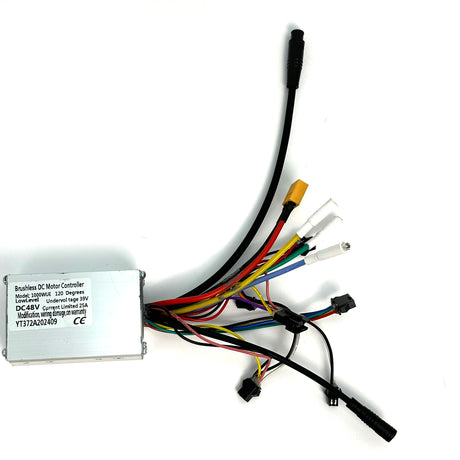
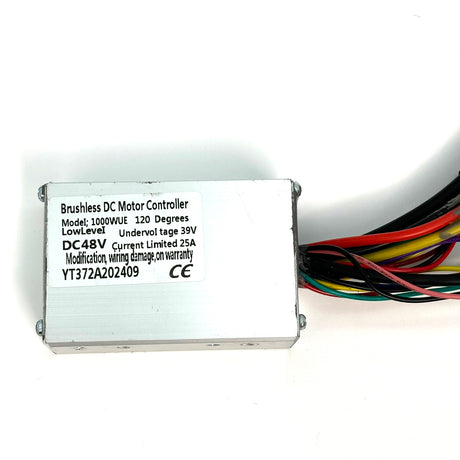
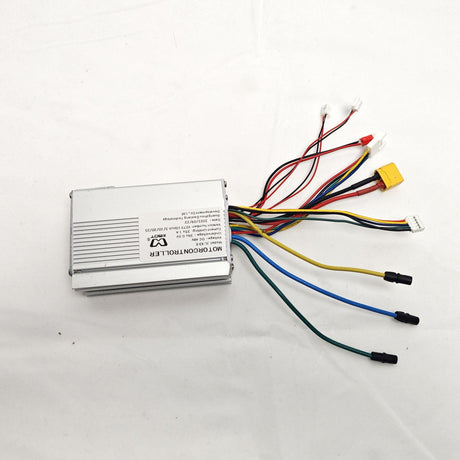
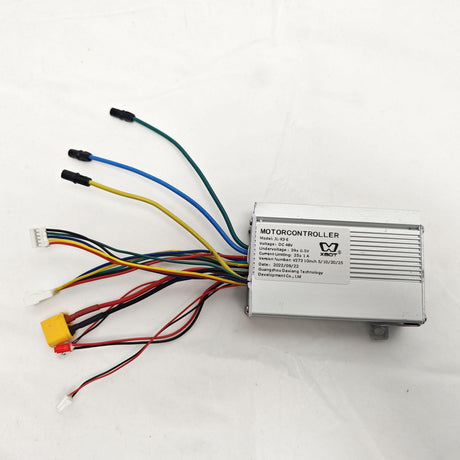
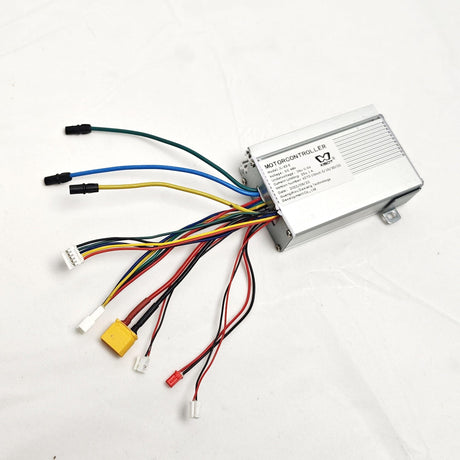
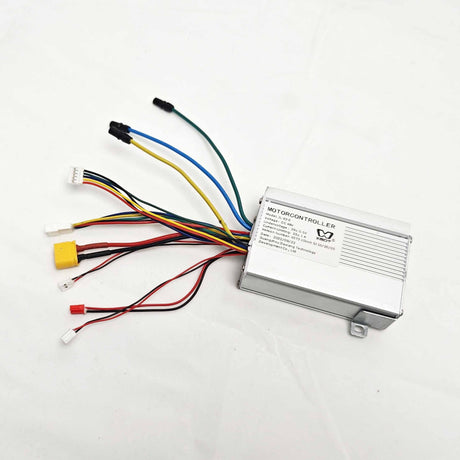
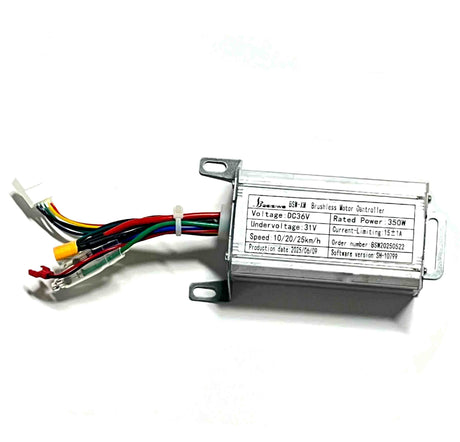
The controller acts as the scooter's brain, regulating the current supplied to the motor; it is also a component frequently associated with power cutouts during acceleration.
1. Overcurrent protection triggered by rapid acceleration or heavy loads
Starting at full throttle from a standstill, carrying heavy loads, or riding up long, steep slopes can cause the instantaneous current to exceed the controller's limit, triggering the overcurrent protection to cut power; the scooter can only be restarted after cooling down.
Solution: Accelerate smoothly and linearly, maintain a steady, slow speed on long slopes, and minimize sustained high-load operation of the controller.
2. High-temperature shutdown due to poor heat dissipation
The controller is housed inside the frame; dust accumulation and a lack of ventilation can cause temperatures to rise rapidly during a ride, triggering a forced shutdown via high-temperature protection.
Solution: Regularly clean dust from the controller's surface, reduce prolonged full-speed riding during hot periods, and avoid exposing the vehicle to direct sunlight.
3. Aging or damaged controller components
Prolonged exposure to bumps or minor water ingress can burn out internal power components; the scooter may run normally at low speeds but cut out when power output is increased.
Solution: Controllers cannot be repaired by the user; contact after-sales support to replace it with an original part within the two-year warranty period.
III. Poor Contact Between Motor and Wiring
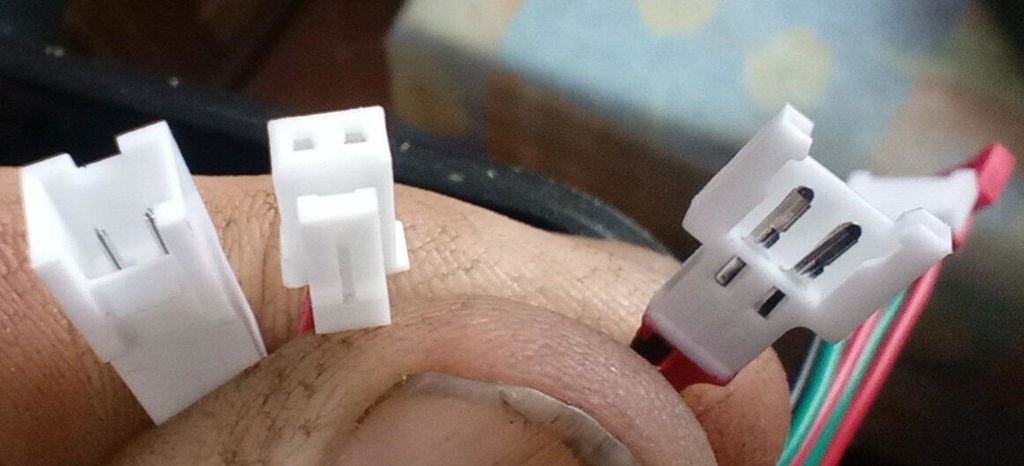
Current travels through wire harnesses and connectors; loose connections or damaged insulation can cause circuit breaks and power loss during high-current acceleration.
1. Wiring terminals loosening due to vibration
Screws connecting the battery, motor, and controller can loosen from prolonged exposure to bumpy roads, and metal connectors may oxidize; the connection might barely hold during steady speeds but fail completely under the load of acceleration.
Solution: Open the deck compartment monthly to tighten all wiring terminals and clean off any black oxidation layers from the connectors.
2. Wire harness abrasion causing short circuits
Wire harnesses inside the frame can become damaged from prolonged compression and friction; during acceleration, a wire touching the metal frame can trigger short-circuit protection, causing an immediate shutdown.
Solution: Thoroughly inspect the vehicle's wiring; wrap damaged areas with electrical tape and install foam padding to insulate the harness from the frame.
3. Partial short circuit in motor windings
Driving through deep water or prolonged overloading can cause internal motor coil short circuits; there may be no issues at low speeds, but faults appear during high-power acceleration.
Solution: Avoid riding in deep water and dry the motor immediately if water enters; if coils are damaged, professional repair or hub motor replacement is required.
IV. Accidental Triggering of the Brake Cut-off Switch (Easily Overlooked)
All electric scooters feature a safety design that cuts power when the brake lever is squeezed; a faulty switch can cause the system to falsely detect braking while riding.
1. Brake lever sticking/failing to return
The brake lever spring may age, preventing the lever from fully returning after release; this causes a continuous cut-off signal, limiting motor power output and causing the motor to cut out during acceleration.
Solution: Repeatedly squeeze and release the brake lever to clear out dust; if sticking persists, replace the brake cut-off switch.
2. Brake control wire abrasion causing short circuits
Damage to the insulation of the thin brake wire can cause a continuous brake signal to be transmitted while riding, constantly limiting power output.
Solution: Organize the brake wiring harness, repair damaged points, and ensure proper insulation.

V. Throttle Signal Transmission Faults
The throttle acts as the medium for transmitting power commands; component damage or broken wires can interrupt power delivery during acceleration.
1. Aging of the throttle Hall sensor
Wear on the internal sensor of the thumb throttle causes the signal to remain stable during light acceleration but drop out when the throttle is opened further, prompting the controller to cut off power.
Solution: Calibrate the throttle according to the manual; if calibration fails, replace the throttle assembly with a compatible unit.
2. Breakage at the throttle cable exit point
Repeated bending and pulling of the thin throttle wires causes intermittent signals during acceleration, leading to the motor cutting out intermittently.
Solution: Inspect the throttle cable exit point; if a wire is broken, replace the entire throttle wiring harness.
Daily maintenance and prevention tips
1. Cultivate a habit of smooth acceleration; avoid revving the throttle aggressively while stationary to minimize instantaneous stress on the battery and controller.
2. Inspect all wiring connectors monthly and address any loose or damaged harnesses promptly.
3. Do not install high-power motors or non-standard batteries; use only genuine, compatible parts.
4. If storing the scooter for an extended period, maintain a charge level of 50%–70%; avoid high-intensity riding in low-temperature environments.
5. Avoid riding through deep water to prevent short circuits or damage to the electronic control system and motor caused by water ingress.
Conclusion:
TODIMART scooters are equipped with multiple safety protection protocols; the motor cutting out during acceleration is essentially an active safety measure designed to prevent serious incidents such as battery cell burnout or wiring short circuits. If a malfunction occurs, you can perform a basic self-check by inspecting the battery, controller, wiring, brakes, and throttle in that order. If the issue persists after self-inspection, please contact official after-sales support for professional repair; do not attempt to disassemble electronic components yourself, as this may cause further damage. Proper daily maintenance ensures consistent vehicle performance and a smooth, uninterrupted riding experience.