Many electric scooter users encounter this dilemma: what if a planned trip is suddenly interrupted by rain? Is it still safe to ride? Actually, electric scooters with appropriate waterproof standards can be used briefly in light rain, but wet surfaces significantly increase the risk of accidents, and we do not recommend riding in the rain. However, weather changes are unpredictable. When you must travel in the rain, mastering scientific safety techniques can protect your scooter from damage and maximize your own safety. Today, we share 8 practical tips for riding electric scooters in the rain, covering the entire process before, during, and after your trip, making every rainy outing safer.
1. Pre-trip preparation is the first line of defense for safe riding in the rain, with confirming the vehicle's waterproof rating being paramount.
The waterproof rating, or IP protection rating, consists of two digits. The first digit represents dust resistance, and the second represents waterproofing. This is the core basis for determining whether a scooter can be used in the rain. Generally, electric scooters with an IPX4 or higher waterproof rating can withstand water splashes from all directions and are suitable for short-distance riding in light to moderate rain. Specific parameters can be found in the product manual, on the scooter's label, or on the brand's official website. It's important to note that even with an IPX4 rating, prolonged riding in heavy rain is not recommended, and the scooter should never be submerged in water or driven through deep puddles. Otherwise, rainwater may still seep into core electrical components such as the battery, controller, and motor, causing short circuits, malfunctions, or even damage, shortening the scooter's lifespan. The TODIMART X5S has an IPX5 waterproof rating; to ensure riding safety, avoid riding in heavy rain and do not store the scooter in a damp environment for extended periods. This will help extend the scooter's lifespan.

2. Regular vehicle checks are essential. Besides the waterproof rating, tire maintenance is also crucial.
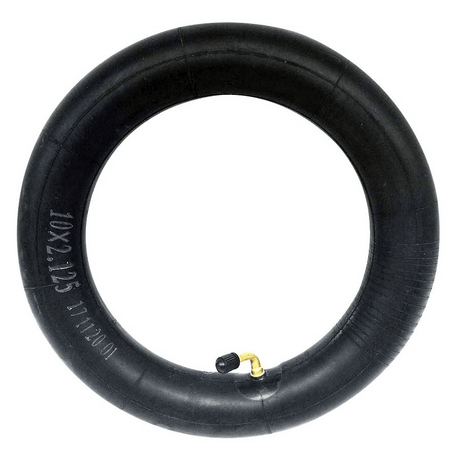
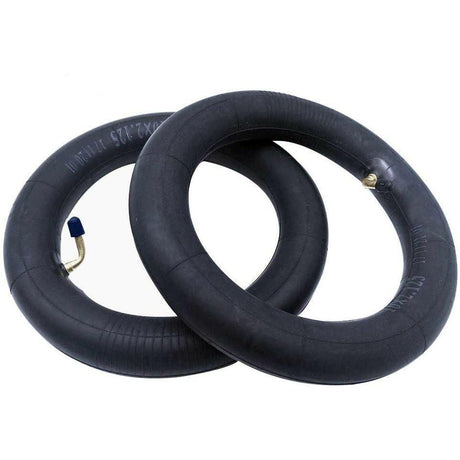
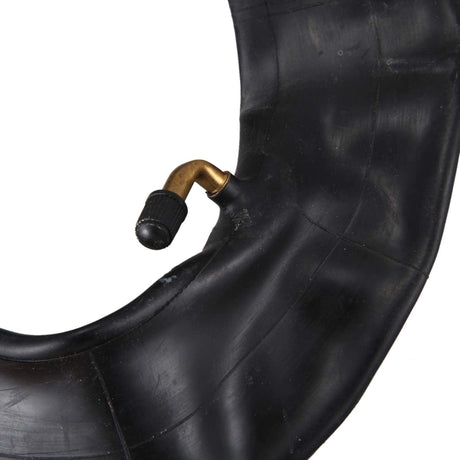
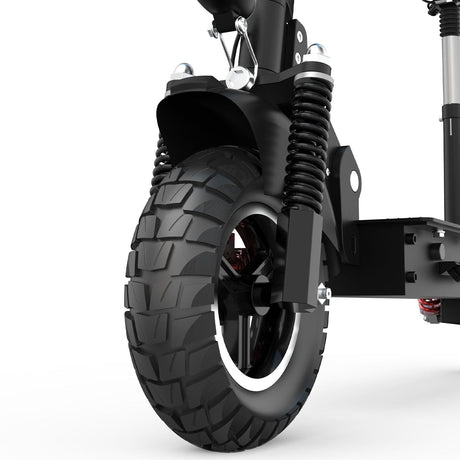
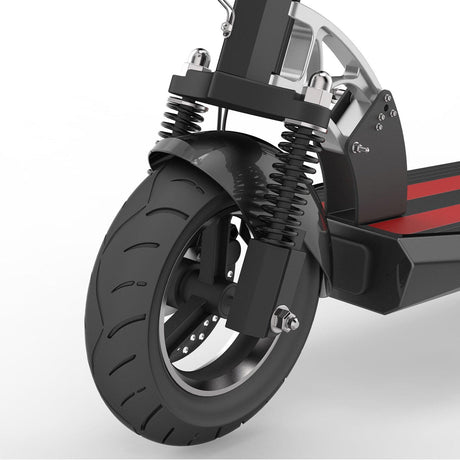
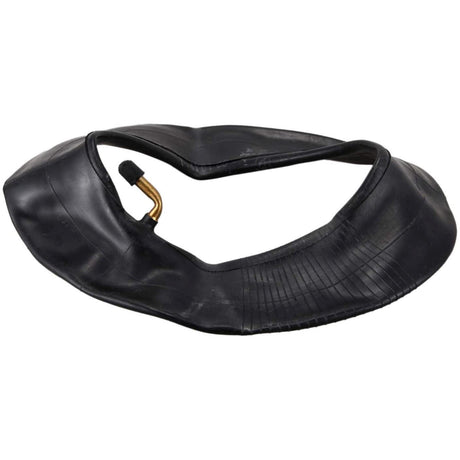
On wet, slippery roads, tires are key to ensuring grip. Proper tire pressure directly affects riding stability. Insufficient tire pressure leads to an excessively large contact area between the tire and the ground, reducing grip and making steering and braking difficult to control. Excessive tire pressure, on the other hand, exacerbates the bumpy ride and significantly increases the risk of a tire blowout. It is recommended to check tire pressure with a tire pressure gauge beforehand and adjust it according to the standard values marked in the vehicle's manual or on the tire sidewall. Also, check tire wear; replace tires if the tread is too shallow. Well-maintained tires effectively improve traction on wet surfaces, making handling smoother and reducing the probability of slipping and losing control.
3. Wearing protective gear is crucial for safety when riding in the rain.
Appropriate gear keeps you dry and comfortable while improving riding safety. First, wear a full set of rain gear, including a raincoat, waterproof pants, and waterproof gloves, to prevent your clothing from getting soaked and causing cold and dampness, while maintaining flexibility. Second, choose the right shoes. Avoid flip-flops, sandals, and shoes with smooth soles; prioritize shoes with deep treads and good grip to prevent your feet from slipping off the pedals and causing danger. Most importantly, a helmet that meets safety standards must be worn. It is recommended to choose a model with a face shield or goggles to protect your head and block raindrops from entering your eyes, ensuring clear vision and allowing you to spot potential road hazards in time.
4. Adjust your riding style accordingly to the special environment of wet and slippery roads.
Rainy weather significantly reduces road friction, making vehicle handling worse. The first thing to do is reduce speed and riding pace, allowing ample reaction time to deal with potential dangers such as puddles, obstacles, and sudden road conditions. Maintain a greater safe distance from surrounding vehicles and pedestrians to avoid being caught off guard by sudden changes of direction or stops, and to prevent splashes from obstructing your vision. Avoid sharp turns, rapid acceleration, and sudden braking while riding. All actions should be smooth and slow. Plan your route in advance when turning, and brake gently and gradually to prevent the vehicle from losing traction and skidding or fishtailing, thus reducing the risk of accidents from a handling perspective.
5. Rainy weather reduces visibility, making it more difficult to observe road conditions yourself and be seen by other road users. Therefore, improving your own visibility is crucial.
When riding an electric scooter, always turn on the front and rear lights to illuminate the road ahead and make yourself clearly visible to cars, bicycles, and pedestrians. In addition, wear a reflective vest or jacket, or attach reflective straps to your arms and legs to enhance visibility, ensuring you are seen even in dim, rainy conditions. Stay focused on the road and keep your head stable while riding. If your helmet visor or goggles fog up or become wet, wipe them clean immediately to ensure unobstructed vision and accurately avoid slippery sections and obstacles.
6. Slippery surfaces significantly reduce braking effectiveness and increase braking distance. Therefore, braking and slowing down in advance is a key skill for riding in the rain.
Anticipate traffic lights, intersections, and areas with many pedestrians in advance. Begin gently braking and gradually slowing down before reaching the stopping point to avoid sudden braking that could cause wheel lockup and skidding. Follow distance should be more than double that on sunny days to allow sufficient braking space. Minimize the use of the front brake and rely more on the rear brake to slow down and prevent front wheel slippage. Maintain a steady speed while riding, avoiding sudden acceleration or deceleration to keep the vehicle stable and improve handling safety, allowing for smooth passage through slippery sections.
7. Learn to avoid dangerous road surfaces while riding to reduce accidents.
Deep puddles, wet leaves, painted road markings, metal covers, etc., on rainy roads have extremely low friction, making them prone to slipping. Deep puddles can also damage the vehicle's electrical system. Always pay attention to road conditions, plan your route in advance, and try to avoid these dangerous areas. If you cannot avoid them, slow down in advance, maintain a steady speed, and firmly grip the handlebars, without accelerating, braking, or steering, to ensure a safe passage. Never take chances and ride at high speed through dangerous sections; a slight mistake can lead to loss of control, a fall, or damage to the scooter.

8. After riding in the rain, timely cleaning and maintenance can effectively extend the lifespan of the scooter and prevent long-term damage caused by rainwater.
First, place the scooter in a well-ventilated and dry place. Use a clean cloth to wipe dry the body, battery interface, motor, wheels, wiring, and other parts. Pay special attention to wiping crevices and components prone to water accumulation to prevent rust and short circuits. Then, thoroughly inspect the scooter's condition, checking the brakes for responsiveness and wear, and inspecting the battery and controller for signs of water ingress and loose screws. Ensure all components are functioning properly. Finally, clean the body of mud and debris, keeping the scooter clean. Regular maintenance will allow the scooter to quickly recover from use in wet environments, reducing the likelihood of malfunctions and maintaining good performance over the long term.
Conclusion: Riding an electric scooter in the rain always carries some risk. The above 8 tips can provide safety assurance when necessary. We still recommend avoiding riding in the rain as much as possible and prioritizing safer modes of transportation. If you must ride, be sure to remember waterproof standards, take precautions, operate the scooter correctly, and maintain it promptly to ensure your safety while allowing the electric scooter to better serve your daily needs.