Many users experience the frustration of their electric scooter failing to reach its maximum speed despite everything seeming normal. Weak acceleration and insufficient top speed are common problems. Insufficient speed not only affects commuting efficiency but also significantly reduces the riding experience. The reasons for speed limitations are varied, ranging from simple settings issues and daily wear and tear to malfunctions in core components such as the battery, motor, and controller.
This article will comprehensively analyze the main reasons why electric scooters are not fast enough, providing simple and easy-to-understand troubleshooting steps and solutions to help you quickly restore your scooter's original power and full-speed performance for a smooth and safe ride.

To accurately identify the root cause of the slow speed, you must first conduct basic troubleshooting. Test ride the scooter on a flat surface, uphill, and in headwind conditions to determine if the speed limitation is related to road conditions and the environment. Also, consult the product manual and compare it with the manufacturer's specifications to understand the device's standard maximum speed, avoiding the misconception that the scooter is faulty. If you are unable to find the cause yourself, you can contact TODIMART's professional after-sales service for targeted repair advice and technical support.
I. Core Reasons for Limited Speed Acceleration of Electric Scooters
1. Insufficient Battery Power
The battery is the source of power output and the most common factor leading to decreased speed. Insufficient charge, battery aging and degradation, and charger malfunctions can all cause unstable output voltage. When the battery is low, the system automatically limits power output, directly resulting in sluggish acceleration and locked top speed, preventing the scooter from reaching full speed. Long-term shallow charging and battery cell aging will also continuously weaken the power supply, leading to increasingly slower speeds.

2. Motor Malfunction and Overheat Protection
Prolonged high-speed riding, frequent hill climbing, and heavy-load riding can easily cause the motor to operate under overload, leading to overheating. To prevent burnout, the scooter will automatically activate its high-temperature protection, limiting speed and power, resulting in a significant decrease in speed. In addition, aging internal wiring, worn parts, and damage from external impacts can also lead to insufficient power output, resulting in slow acceleration and a low top speed.
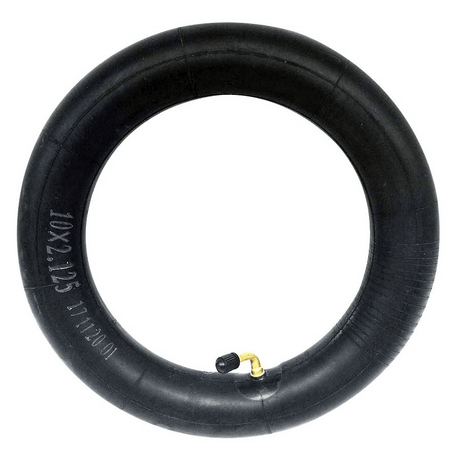
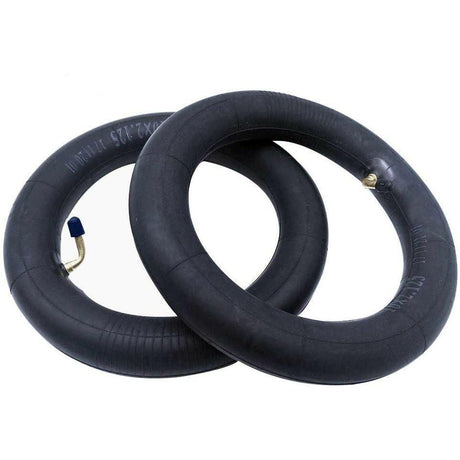
3. Poor Tire Condition
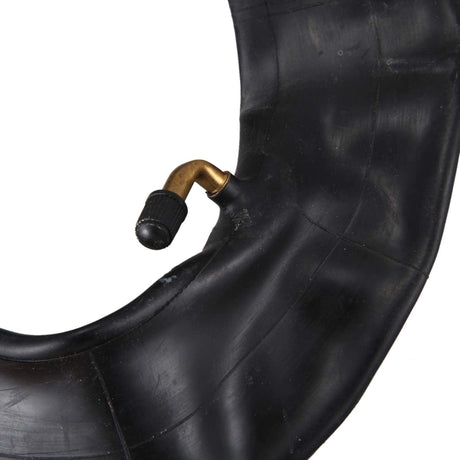
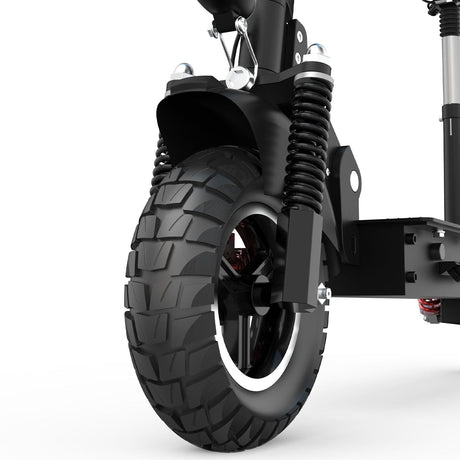
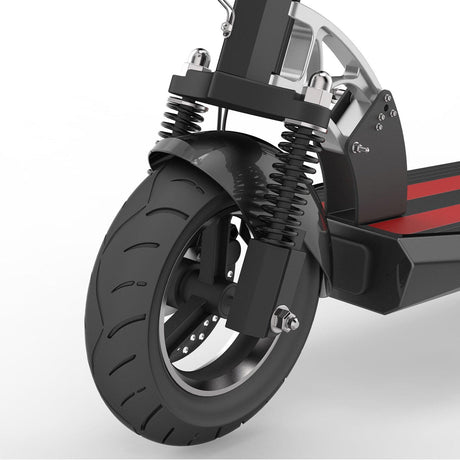
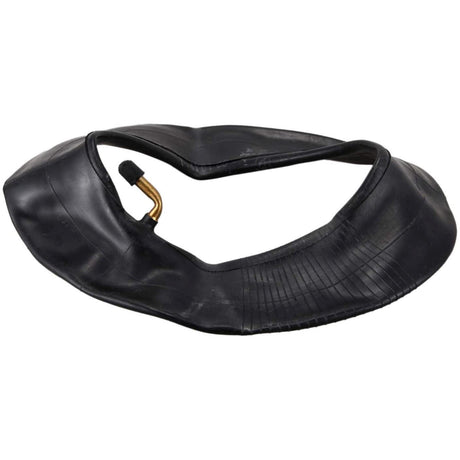
Tires directly affect riding resistance. Insufficient tire pressure significantly increases friction, making riding more strenuous, acceleration slower, and reducing top speed considerably. Severely worn tire treads reduce grip, making it prone to slipping at high speeds, and the system indirectly limits speed for safety. Neglecting tire pressure checks and tire wear is a key reason why many people experience slow speeds without knowing the cause.
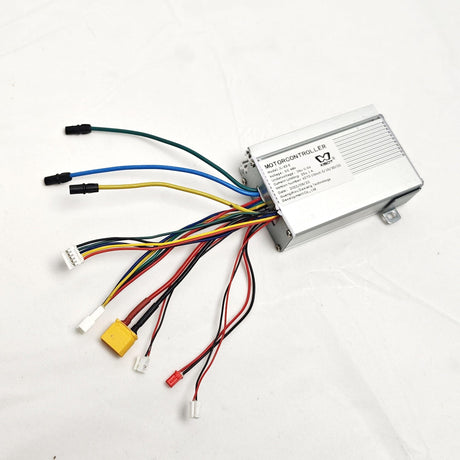
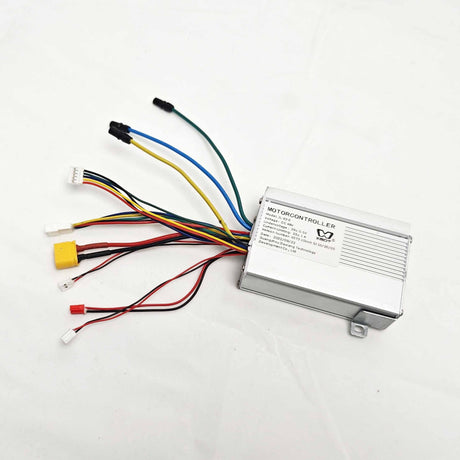
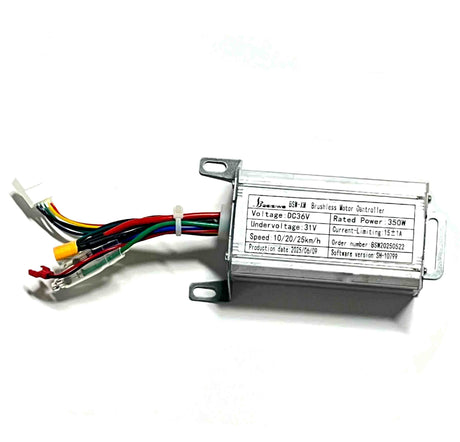
4. Controller and Wiring Faults
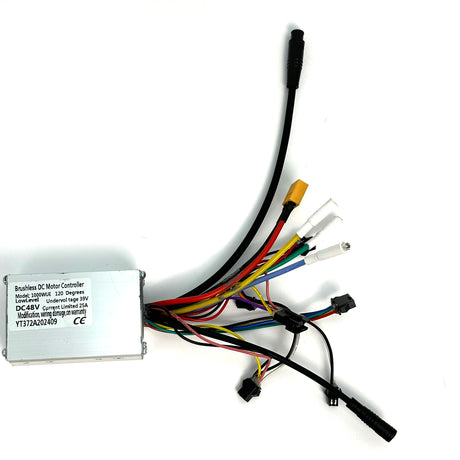
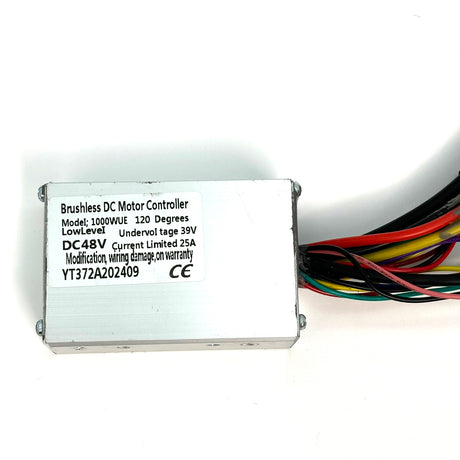
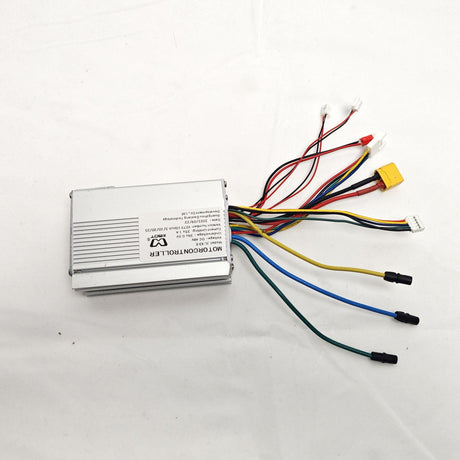
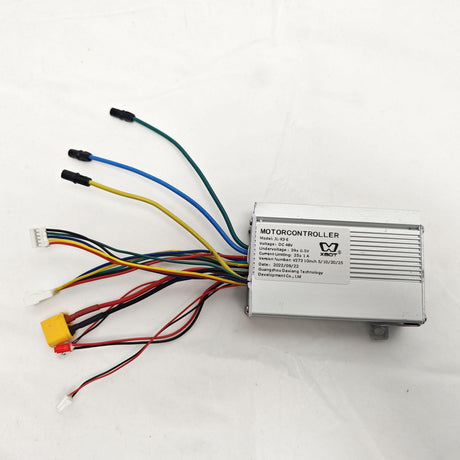
The controller is the central control unit of the vehicle, responsible for distributing power signals between the battery and motor. Aging controllers, water damage, internal component failures, loose wiring, damaged wires, or poor contact can all lead to abnormal signal transmission, unstable power output, and inconsistent speeds, preventing full-speed operation.
5. Incorrect Riding Mode Settings
Most TODIMART electric scooters are equipped with multiple riding modes, including Eco, Standard, and Sport. Eco mode prioritizes saving power and limits the maximum speed. If mistakenly set to a low Eco mode, no matter how much you accelerate, you will not reach the scooter's factory maximum speed.
II. Quick Troubleshooting and Solutions
1. Check and Maintain the Battery
Fully charge the battery before each ride to avoid forcing high-speed riding with a low charge. Regularly check the charger to ensure it is working properly and use the original charger; avoid using inferior parts that could damage the battery. If the battery is old, has significantly reduced range, or drains quickly, it is likely due to cell aging; replace the battery if necessary to restore power.
2. Use the Motor Properly and Avoid Overloading
After continuous uphill riding or long-distance high-intensity riding, stop and allow the motor to cool down promptly to prevent prolonged high-temperature operation. Control the load appropriately while riding; avoid overloading to reduce motor load. If the motor makes abnormal noises, overheats severely, or experiences a sudden drop in power, stop using it immediately and contact a professional for repair.
3. Regularly Maintain Tires
Keep a tire pressure gauge handy and regularly inflate tires to the official standard pressure to reduce rolling resistance. Regularly check for tire wear, bulges, and damage; replace severely worn tires promptly to restore speed and improve riding safety and stability.
4. Check the wiring and controller.
Regularly check the controller casing for damage, water ingress, or signs of breakage. Inspect all wiring connections for looseness, aging, or detachment. Keep wiring dry and clean, avoid storing in humid environments to prevent short circuits and signal failures, and ensure smooth power transmission.
5. Adjust the correct riding mode.
Before riding, confirm the gear setting. For daily commutes requiring full speed, switch to Standard or Sport mode. Thoroughly read the product manual and familiarize yourself with the speed limits of different modes to avoid speed limitations due to incorrect mode selection.
III. Routine Maintenance for Long-Term Full-Speed Performance
To ensure your scooter maintains consistent power and speed, routine maintenance is essential. Develop a habit of regular checks, paying attention to battery health, tire pressure, and wiring integrity; ride smoothly, minimizing sudden acceleration, braking, and aggressive driving; avoid prolonged exposure to direct sunlight and rain to protect core electrical components.
If the speed issue persists after a thorough check, do not attempt to disassemble or modify it yourself. It is recommended to take it to a professional repair shop for inspection to rule out internal hardware faults.
Conclusion:
In short, insufficient speed on an electric scooter is mostly due to common issues such as insufficient battery power, incorrect mode selection, low tire pressure, motor overheating, or controller malfunction. No complex modifications are needed; simple troubleshooting, proper use, and regular maintenance can easily resolve speed limitations.
Properly maintaining your TODIMART electric scooter and avoiding bad usage habits will not only restore full-speed power and extend the scooter's lifespan but also ensure efficient, smooth, and comfortable short trips.