In congested urban commuting scenarios, electric scooters, with their flexibility, efficiency, and economy, are becoming an increasingly popular choice, especially for city dwellers. Despite their many advantages, there are also many misconceptions surrounding electric scooters that may hinder people from choosing this mode of transportation. This article will explore ten of the most common misconceptions about electric scooters.
Clarifying the truth behind these misconceptions is crucial for accurately determining whether an electric scooter suits your needs. Let's delve deeper and dispel some of these misunderstandings!
Misconception 1: Only suitable for short distances, completely unsuitable for long commutes
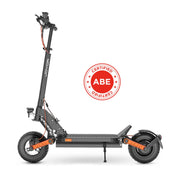
Many people believe that electric scooters are only suitable for short distances of one or two kilometers. However, with upgrades in battery and motor technology, high-quality models can now meet the needs of medium- and long-distance commutes. Mainstream commuter models generally have a range of 30-60 kilometers, while high-end models can reach over 80 kilometers. For example, the TODIMART S9 has a range of 65 kilometers and a top speed of 45 kilometers per hour, making it suitable not only for short distances but also for long commutes or travel.

Myth 2: Poor stability, prone to tipping over
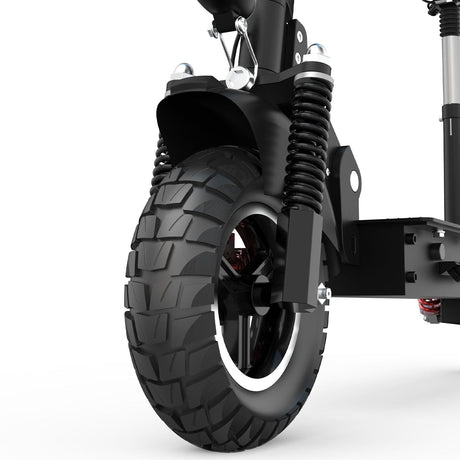
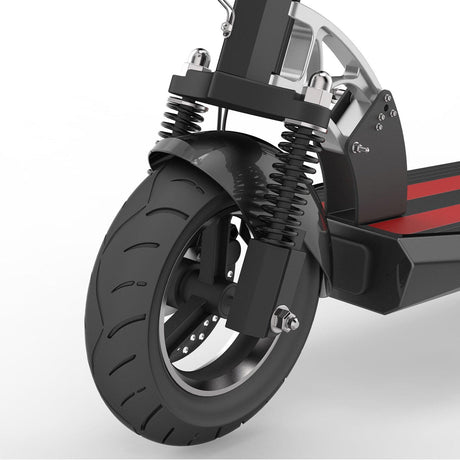
While off road electric scooters have risks, with proper use and safety escooter riding precautions, such as wearing a helmet, electric scooters can be quite safe. Reputable manufacturers design their models to ensure stability: equipped with tires offering excellent grip, and some models even feature front and rear dual suspension systems to filter bumps. As long as you follow traffic rules and maintain a reasonable speed, the stability of an electric scooter is perfectly adequate for commuting safety.
Myth 3: Electric scooters have a short lifespan
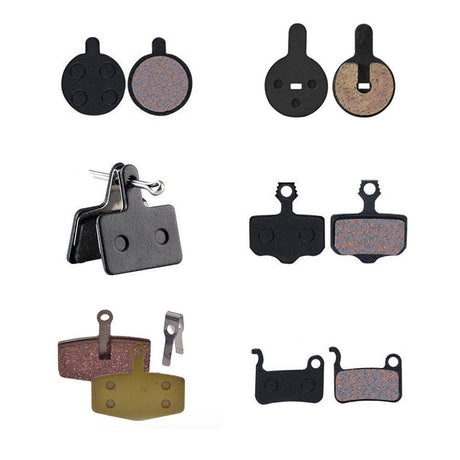
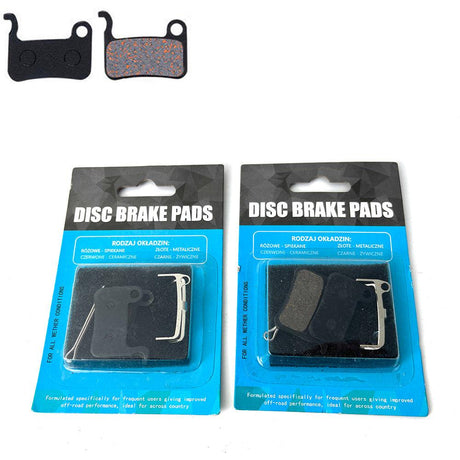
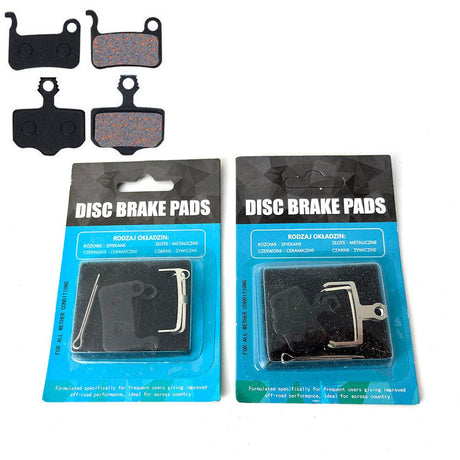
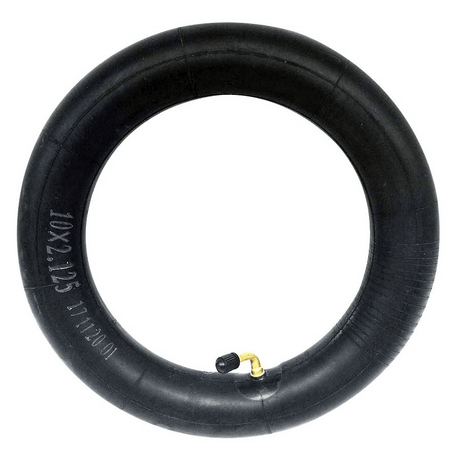
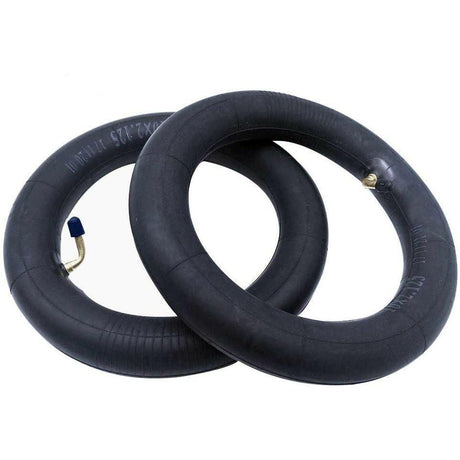
The lifespan of off-road scooters varies depending on the type and model. However, durable scooter batteries, if properly maintained, can last up to 5 years. Furthermore, electric scooters come with a range of accessories that can extend their lifespan. Regularly inspecting and replacing parts such as brakes, wheels, tires, handlebars, and motor components can also significantly extend the lifespan of an electric scooter.
Myth 4: Riding motorcycles on public roads is illegal
In most states in the US, electric scooters are legal on public roads! However, it's important to note that laws and regulations vary from state to state. In addition, electric scooter riders must obey all traffic regulations, such as wearing helmets, adhering to speed limits, and avoiding riding in pedestrian zones. It's always best to check your local requirements on dual motor electric scooter.
Myth 5: They're slow; Choose the right electric scooter for your commute.
Electric scooters are not only a convenient and affordable mode of transportation, but depending on the model, they can also be quite fast. The TODIMART S13 off-road electric scooter is one of the fastest in its class, with a top speed exceeding approximately 60 km/h. Furthermore, it has a range of approximately 70 km. Its durable aluminum frame makes it ideal for long commutes. With its easy-to-use control system, this dual-motor electric scooter offers a pleasant riding experience, allowing you to reach your destination quickly and safely.
Myth 6: They're expensive.
Electric scooters offer significant cost savings compared to traditional transportation such as cars, taxis, or buses. Today, there's a wide variety of electric scooters available, from affordable to high-end luxury commuter models from TODIMART, ensuring there's one to suit your budget. Moreover, due to their simple structure and motorized components, adult electric scooters have lower maintenance costs than other modes of transportation.
Myth 7: High speed easily causes traffic accidents
The worry about difficulty controlling the vehicle at high speeds is unnecessary. The maximum speed of standard commuter motorcycles is strictly limited to 20-25 km/h, which meets commuting efficiency while allowing riders ample reaction time to handle unexpected situations. Compared to bicycles, it doesn't require pedaling, allowing riders to focus more on the road; its compact size and maneuverability effectively avoid obstacles. Adhering to speed limits, maintaining a safe distance, and wearing safety gear significantly reduces the probability of accidents.
Myth 8: Not waterproof, completely unrideable in rainy weather
"Can't ride in the rain" is a common misconception. Standard commuter motorcycles have a waterproof rating of IP54 or higher, capable of withstanding light rain and showers. Riding in minor road puddles or light rain will not affect normal operation. Note that waterproof does not mean it can be submerged. Avoid riding on roads with deep puddles. After rain, clean the vehicle and dry the charging port to protect the components. Users in rainy areas should choose motorcycles with higher waterproof ratings to easily handle rainy commutes.
Myth 9: They Need Constant Charging
Modern adult e-scooters are designed with long-lasting batteries. They allow commuters to reach their destinations without frequent charging. The range of a commuter scooter typically ranges from 30 to 60 kilometers, depending on the model and battery capacity of a dual-motor e-scooter. Riders can easily complete most daily commutes without worrying about running out of power.
Myth 10: Unsuitable for Daily Commuting
With the increasing demand for urban commuting, e-scooters have long become a practical and economical commuting tool. Compared to cars, they avoid traffic jams and parking difficulties, resulting in lower travel costs; compared to bicycles, they require no pedaling, saving effort and increasing efficiency; compared to public transportation, they offer door-to-door service, avoiding the hassle of transfers. They are now widely used by office workers, students, and freelancers, and their commuting value has been fully recognized by the market.
Now that we've discussed some common misconceptions about commuter scooters, let's look at their advantages over traditional modes of transportation.
Why We Should Choose Electric Scooters Over Traditional Transportation
Cost Savings: In the long run, electric scooters are more cost-effective than cars, buses, or trains. While the initial investment may be slightly higher, the maintenance costs of electric scooters are far lower than traditional vehicles, and the associated operating costs are also significantly reduced.
Convenience: Commuter scooters can be easily stored in small spaces, making them ideal for residents of large cities or densely populated areas. This allows commuters to travel faster and more conveniently.
Environmental Protection: Adult electric scooters produce no emissions, making them more environmentally friendly than other modes of transportation. They also consume less energy than traditional vehicles, making them more efficient.
Safety: Electric scooters are equipped with multiple safety features such as brakes and lights, making it easier to ride safely on roads and highways.
Fun: Commuter scooters are fun to ride, providing a sense of freedom that other modes of transportation cannot match. They are also a great way to commute to get off work, explore the city, and discover new places.