Electric scooters for adults have evolved beyond a mere trend; they offer an efficient and convenient mode of urban transportation. As more people recognize the numerous benefits of electric scooters, demand has risen. Therefore, if you decide to purchase one, be sure to consider the following factors before taking out your credit card.
Carefully considering an electric scooter's weight limit or load capacity can save you money and trouble; knowing the limit helps you avoid the embarrassment of a breakdown and ensures you understand the appropriate load before setting off on your journey. The following guide covers everything you need to know before buying an electric scooter online or in a physical store.

Electric Scooter Weight Limits
When choosing an electric scooter, considering its weight limit ensures it can safely support your body weight along with any items you might be carrying. Heavier riders need to pay attention to these limits to avoid overloading the vehicle. Exceeding the weight limit can negatively impact both performance and safety.
According to data from the U.S. Centers for Disease Control and Prevention (CDC), the average weight of an adult male in the U.S. is 197 pounds (approx. 90 kg), which is well within the maximum load capacity of TODIMART electric scooters. TODIMART scooters support weights ranging from 265 pounds (approx. 120 kg) to 286 pounds (approx. 130 kg), meaning you can ride comfortably while carrying a backpack and other essentials.
Impact on Performance and Handling
An electric scooter's weight affects its overall performance and ease of handling. Here are some ways weight can impact the scooter:
Speed varies by model and manufacturer, influenced by factors such as motor power, battery capacity, weight, and terrain. The motor, battery, and wheels work together to propel the combined weight of the rider and the scooter forward. If the rider is too heavy or the scooter is overloaded, the workload on these components increases significantly. Consequently, the scooter consumes more power, drains the battery faster, and offers a reduced riding range. Therefore, researching and comparing different electric scooter models to find one that meets your specific needs and preferences is crucial.
An overloaded electric scooter struggles to reach top speeds, and its acceleration performance suffers. Additionally, the extra weight requires more power to maintain a steady speed on inclines, making uphill travel more difficult.
Exceeding the weight limit places extra strain on the motor, leading to reduced battery life. If a scooter carries more weight than it was designed for, the battery drains faster, thereby limiting the range achievable on a single charge.
Structural Integrity and Durability
Excessive weight affects not only handling and performance but also the scooter's structural integrity and durability, leading to accelerated wear and tear.
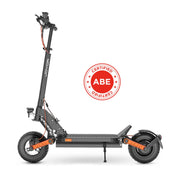
A scooter's weight capacity determines the maximum load it can safely carry. You should choose a scooter with a weight capacity that matches your body weight and the weight of any items you plan to carry. A scooter with insufficient weight capacity may fail to support you or your cargo properly, placing undue stress on the vehicle. TODIMART D6 Pro dual-motor electric scooter has a weight capacity of approximately 286 lbs (about 130 kg), which is sufficient for carrying a substantial load.

Overloading an electric scooter accelerates wear on critical components such as the motor, tires, brakes, and suspension system. This additional stress can lead to premature component failure or compromise the scooter's overall durability.
If you discover that the handlebars of your newly purchased electric scooter have snapped, you might begin to question the scooter's quality or even suspect the brand of selling counterfeit goods. The problem with overloading is that you risk not only damaging the product but also compromising its structural integrity.
Motor and Electrical System Overload
Riding an overloaded electric scooter inevitably overburdens the motor and electrical systems. Here are several ways in which such an overload can damage the scooter:
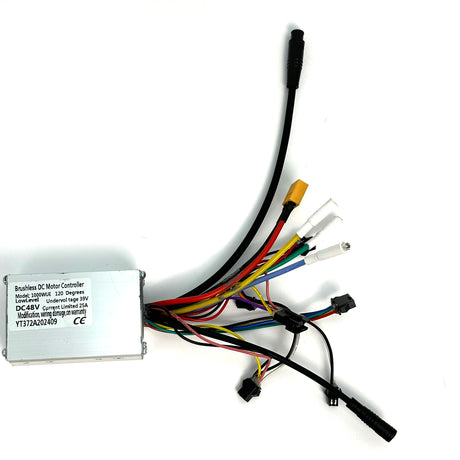
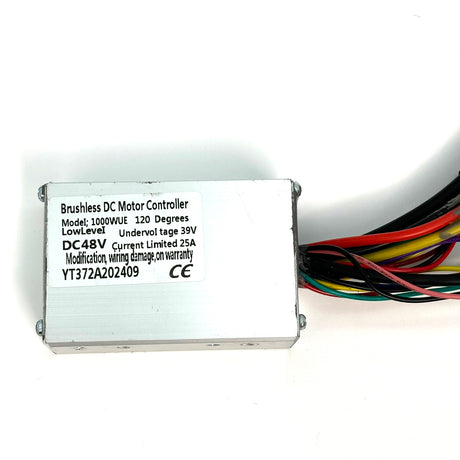
An electric scooter's motor power determines the amount of power it can deliver. A more powerful motor assists with hill climbing and overcoming obstacles more effectively. You should select a scooter with motor power that suits your commuting needs—such as the TODIMART X5S electric scooter. Overusing an electric scooter—such as by overloading it—puts strain on the vehicle and can cause damage. First, it can lead to overheating, which severely damages the battery, shortens its lifespan, or even causes total battery failure. Second, braking distances increase and stability decreases, making the scooter wobble or difficult to control, especially at high speeds.
The most concerning aspect of overloading an electric scooter is the potential safety risk. Overloading not only damages the scooter itself but also puts you at risk of injury.
Typically, an electric scooter requires about 20 to 40 feet (approx. 6 to 12 meters) to come to a complete stop from a speed of 15 mph (approx. 24 km/h), depending on various factors. If the scooter is overloaded, braking distances can increase, creating a frustrating and dangerous situation.
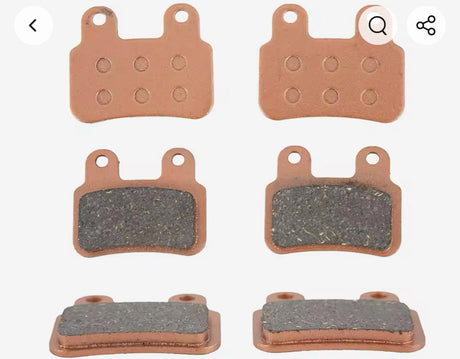
Electric scooters come with various braking systems, such as disc brakes, drum brakes, or regenerative braking. Disc brakes generally offer the best performance, slowing the scooter down more effectively. An overloaded scooter can be difficult to control during emergency braking, leading to handling issues and accidents.
Tips for Proper Loading and Weight Management
A quick look at your TODIMART electric scooter’s user manual can save you a lot of trouble and expense. Every scooter has a weight limit, which is detailed in the manual. Here are some practical tips:
1. Distribute weight evenly
When carrying a load, try to distribute the weight evenly across the scooter. This helps prevent the scooter from tipping over.
2. Avoid carrying excessively heavy items
Always avoid overloading your electric scooter. The heavier the load, the more strain is placed on the motor and battery, which shortens the scooter's lifespan and reduces its efficiency.
3. Do not overload the suspension
Electric scooter suspension systems are designed to absorb bumps and vibrations. If the suspension is overloaded, it may bottom out, causing an uncomfortable ride or even damaging the scooter.
4. Inspect your scooter regularly
Regularly check your electric scooter for signs of wear and tear. If any issues are detected, please take the scooter to a qualified technician for repair.
Conclusion
Overloading an electric scooter can lead to various adverse consequences, such as component damage, reduced performance, and even compromised safety and riding comfort. To mitigate these risks, you should choose a TODIMART electric scooter with adequate load-bearing capacity, exercise extra caution when transporting cargo, and regularly inspect the scooter for signs of wear.